“Children are the anchors of a mother's life.”
Sophocles
One January some years ago, my daughter, then living in San Francisco, was scheduled to have a complicated knee surgery to correct a genetic defect of her patella. She was single and lived with roommates, but she had no family out there for support. Also, returning to her home for recovery would be difficult because she wouldn’t be able to navigate the stairs up to her third-floor apartment. I lived in Massachusetts at the time, but I put on my mom hat and flew out to help her through the ordeal.
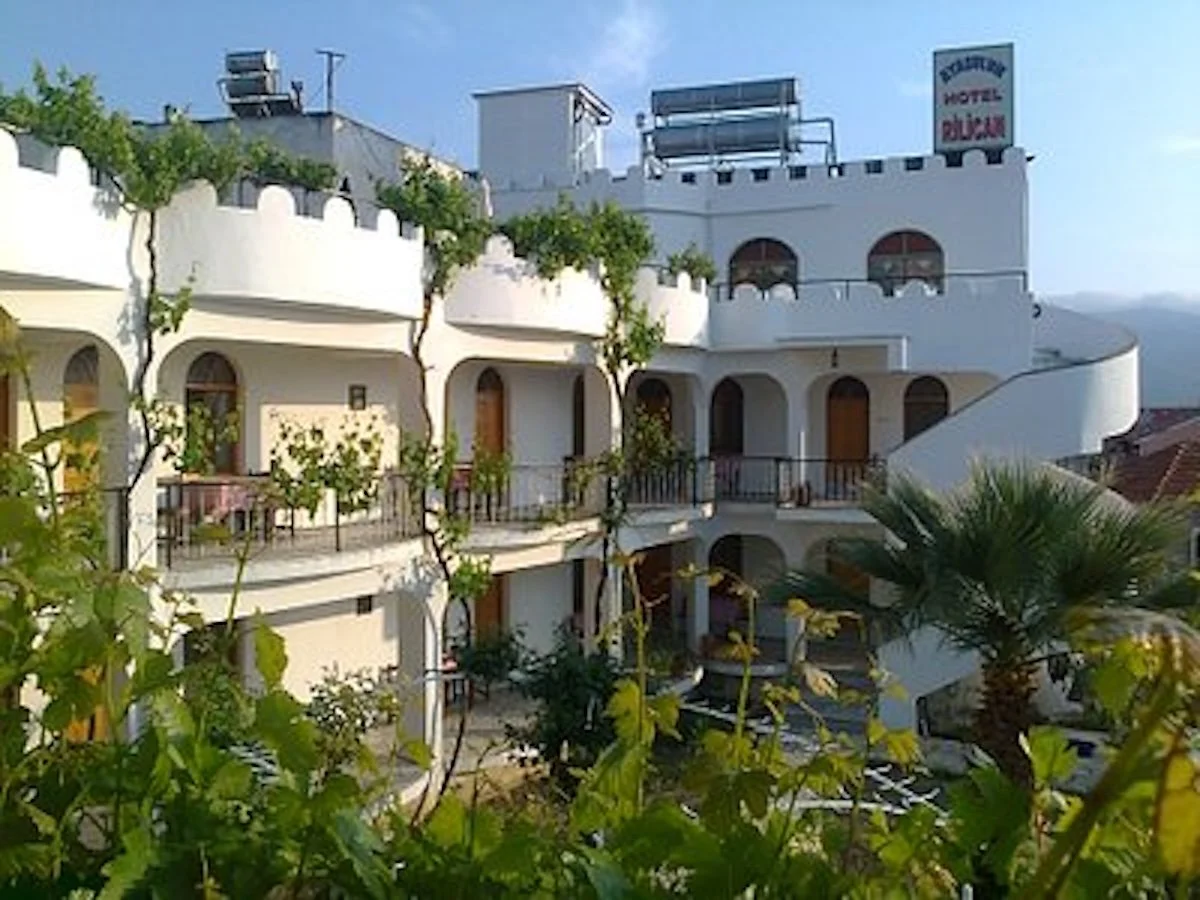
My flight was into San Jose, and I arrived on a Tuesday, two days early. Halfway through my drive from San Jose to San Francisco, I stopped to check out the hotel I had reserved for the first few days of the post-surgical recovery. It was in Burlingame facing San Francisco Bay and the ground floor location would be easy for her to access. I confirmed our late arrival on Thursday then continued into the city to meet my daughter after work. We went food shopping, dropped off things at her apartment, and had dinner downtown. Back at her apartment, we fell asleep by 10 pm.
The next day, Wednesday, my daughter left for work at 7:30 am, and I was on my own to explore. I had breakfast near the apartment at the Velo Rouge Café which had a red bicycle over the doorway and bike memorabilia inside. Then I walked to nearby Golden Gate Park and the de Young Museum which was pretty spectacular. I walked around the exhibits for about 3 hours, especially enjoying the glass flowers. I had a coffee out on the terrace at the museum café which opens onto a great sculpture garden, then I enjoyed the 360-degree view of the city from the rooftop.
I walked back to the apartment and relaxed for a bit, had a snack, and drove downtown
where I parked in a garage near my daughter’s work. After walking around and checking out some stores, I walked to the YMCA for a massage that my daughter had arranged, her treat. The massage therapist worked on "trigger points" and I loved it.
Afterwards, we drove home, picking up a pizza on the way. Back at the apartment, I opened a bottle of red wine from the welcome basket that my daughter had given me. I enjoyed it, but she couldn't have alcohol before surgery. One of her roommates shared some pizza and sat down to chat for a bit. After that, we packed up the car, except for our suitcases (food for the hotel stay, crutches, ice pump etc.). My daughter packed her suitcase, and we went to sleep at close to midnight.
On Thursday morning, we got up at 6 am because we had to be at the hospital by 7. Two of her roommates were up early and stopped to chat and wish her well. I drove to Kaiser Permanente Hospital, parked in the garage, and we went to surgery admitting on the 4th floor.
The nurse was great, very efficient and upbeat with a sense of humor. They let me stay while they prepped my daughter with an IV in her wrist area. She did well but was nervous and had to fight back tears a few times, but all in all, she was a trooper. I walked with her until they took her into an area for authorized personnel only. I gave her a hug and kiss then went to start the waiting.
First, I went to the cafeteria on the 1st floor for coffee and a scone and to the lobby to have my parking ticket validated. Then I went back up to the waiting room. Surgery was scheduled for 9:15 am, and the nurse said that the estimate for the procedure was about 3 hours.
After 3 hours, there was no word.
After about 3 and ½ hours, the surgeon (who had Massachusetts connections – he went to MIT, his wife was from Cohasset, and another relative lived in Beverly) came out to tell me that it was over and that my daughter was in recovery and doing well. He said he had inserted a pump, so she could control the morphine medication.
We went into another room where he explained the problem and the procedure: the socket for the patella is normally V-shaped, but hers was L-shaped, some sort of congenital defect (possibly a genetic disposition in the family). The patella had shifted and destroyed cartilage on one side of the knee, so the ligament on that side had to be cut to relieve pressure and free up the patella. The ligament on the other side had stretched and had to be tightened. A hole was chiseled near the top of the tibia and a piece of cadaver bone was inserted and screwed in. This would serve to temporarily hold the patella in place. In six months, the screws would probably come out.
He said they would probably keep her overnight, but time would tell ,and he estimated that she would be in recovery about another half hour. I went to the lobby, called my husband and son and one of her friends to update them, then went to the cafeteria for coffee.
At 1:30, I went to check on her progress. She was still in recovery.
At 2:00, she was still in recovery.
At 2:30, she was still in recovery.
At 3:00, she was still in recovery, but they finally let me in to see her. The main problem was nausea from the morphine. They gave her something for it and were trying to find a good balance. They let me stay for a while.
At 3:50pm, I was sent back to the waiting room. They said they would call me when she was transferred to another room. It was late when she finally got there. I stayed with her for a while then said good night.
As I headed for my car in the dark, I discovered that I didn't have my car keys. I retraced my steps, but didn’t find them. I called the rental agency to see if I could get another set, but they said they couldn’t help until morning. I retraced my steps again but no luck. I called the hotel where I would take her for recovery and told them that we would be delayed a day. Then I took a bus and walked from the bus stop to my daughter’s apartment. One of her roommates was surprised to see me there, but he was okay with it. We chatted for a bit about my daughter’s condition then I went to bed.
On Friday morning, I walked from the apartment to the bus and then from the bus stop to the hospital. I got there early so I could scout various departments in one more search for keys.
I FOUND THE KEYS in the cafeteria when I finally stopped my search and went to get some breakfast. At the cashier's, I mentioned my frustration at losing them and got a nice surprise when she retrieved them from a drawer. I must have put them down while I was paying the day before. With that stress gone, I could get on with transporting my daughter to the hotel. I walked to a florist on Geary and brought flowers to her, but she was not yet ready for discharge. She still had nausea. The staff said it would be a while.
I drove to Burlingame, checked us in to the hotel, and made 4 trips from the car carrying luggage, etc. Then I drove back to the city to my daughter’s apartment, picked up the pillows she wanted to take with her, and drove back to the hospital. I still had to wait, so I went to the cafeteria for coffee again.
She was finally discharged in the late afternoon. I drove her to the hotel and got her settled, with one hitch: the nurse had forgotten to give us the power cord for the ice machine that would keep her wound cool. I drove back to the hospital in the city and picked it up. When I returned to the hotel, we ordered in pizza and had an early night.
She was fairly comfortable on Saturday morning using the cooling pump (thank God for the hotel ice machine, so I could keep it filled.) After breakfast, she rested in bed and I went for a walk on the San Francisco Bay Trail, which ran along the water past the back of the hotel. The rest of the day went well. I read while she lay in bed, but that night, her pain medication wore off and she needed something. I called the nurse then went to a 24-hour Walgreen's for new medication.
On Sunday morning, she was feeling less pain, but going through a lot of ice. I took another walk on the bay trail after breakfast then went to Trader Joe's and picked up some salmon & veggies to cook in the hotel microwave for our dinner.
On Monday, I took a morning walk on the bay trail after breakfast again. Later on, my daughter was feeling up to some exercise and she braved a short walk outside with me along the water. Aside from that, we both got a lot of reading done. At least, the view through the windows was nice. In the evening, we had another Trader Joe's microwave meal. This time it was shrimp & veggies.
By Tuesday she was feeling stronger. We both walked a short distance on the bay trail after breakfast then went to the hotel gym where she worked out her upper body. Afterward, we drove to downtown Burlingame, browsed a few shops, and had lunch at the Copenhagen Bakery & Café. Dinner that evening was some leftover pizza in the room.
Wednesday was a continuation of the icing of the knee and some light recovery exercise walking the bay trail. Then we drove into San Francisco, picked up her mail, made short excursions to Chrissy Field and Sports Basement, and had lunch at Mel's Diner. On the way back to the hotel, we picked up some Trader Joe's veggie pasta for dinner- another microwave meal.
Thursday marked a whole week since the surgery. We walked the bay trail after breakfast again, followed by some upper body work in the hotel gym. Later on, I drove to Coyote Point and we took a short walk through the museum. In the evening, we walked to nearby El Torito for our first non-microwave dinner of the week.
On Friday morning, we did our usual walk along the bay trail after breakfast then we drove into San Francisco, did some errands, and went to Park Chalet for lunch. Afterward, we drove to Kaiser Permanente Hospital for her post-surgical checkup. She was doing well, but full recovery would take a while. Back at the hotel, we had leftover veggie pasta for dinner.
Saturday was an easy day with some mild exercise. After our outdoor walk, we drove to Milpitas, walked in the mall, and had lunch at Johnny Rockets. We microwaved some soup at the hotel for dinner.
On Sunday, we checked out of the hotel. We stopped at IKEA for breakfast, and having the rental car gave my daughter the opportunity to buy and transport a shelf system for her bedroom. Being carless in the city had made it challenging prior to then. On our final evening of the visit, we had dinner at Delfinas.
On Monday, the two of us had breakfast at the Velo Rouge Café, hugged good-bye, and then I drove to San Jose Airport. I had a stopover in Phoenix, flew to Boston, and drove home. She had weeks more of rehabilitation ahead of her, but I felt good that the procedure was successful and that I had some nice one-on-one time with my daughter.